

Unlearning What You Were Taught About Pleasure
Most of us didn’t learn about pleasure by listening to our bodies. We learned it through rules, shame, expectations, and half-spoken warnings. Pleasure was framed as something indulgent, dangerous, earned, or conditional. Too much of it made you selfish. Wanting it too openly made you suspect. Somewhere along the way, pleasure stopped being a sensation and became a performance. Unlearning those lessons isn’t quick or tidy, but it’s necessary if pleasure is ever going to feel like it actually belongs to you.
Pleasure Was Moralized Early
From a young age, pleasure gets tied to morality. Certain pleasures are “good” because they’re productive or approved, while others are “bad” because they’re excessive or distracting. Rest becomes laziness. Enjoyment needs justification. Even joy is often treated like a reward instead of a baseline human experience. When pleasure is moralized, it stops being felt and starts being managed.
We Confused Pleasure With Approval
A lot of what we call pleasure is really approval in disguise. Doing what’s praised, desired, or validated can feel good, but that doesn’t mean it’s pleasurable in a deeper sense. Many people grow up chasing reactions rather than sensations. Smiles instead of satisfaction. Applause instead of alignment. Unlearning pleasure means noticing when something feels good versus when it just looks good to others.
Productivity Hijacked Enjoyment
In a culture obsessed with output, pleasure has to justify itself. Hobbies must become side hustles. Relaxation has to be “earned.” Even self-care gets optimized and tracked. Pleasure that doesn’t lead anywhere is seen as wasteful. Over time, this trains us to rush enjoyment or feel guilty while experiencing it. True pleasure, though, doesn’t scale. It lingers. It resists efficiency.
Your Body Knows Before Your Brain
One of the hardest things to relearn is how to trust physical cues. Many of us were taught to override discomfort and ignore desire. Hunger, arousal, fatigue, and curiosity were inconvenient at best, dangerous at worst. Reconnecting with pleasure often starts quietly, by noticing subtle yeses and nos without immediately analyzing them. The body usually knows what feels good long before the mind approves.
Pleasure Doesn’t Owe Anyone a Performance
There’s pressure to experience pleasure the “right” way. To react correctly. To want the right things. To enjoy them visibly. This turns pleasure into something external and monitored. Real pleasure is often subtle, private, and unremarkable from the outside. It doesn’t always look sexy or impressive. Sometimes it looks like comfort, slowness, or silence. Letting pleasure be boring is part of letting it be honest.
Discomfort Is Part of the Rewrite
Unlearning old rules around pleasure can feel unsettling. Guilt shows up. Confusion follows. You might question whether you’re doing it wrong or taking too much. That discomfort isn’t failure; it’s transition. When pleasure stops being dictated, it has to be rediscovered, and discovery is rarely smooth. Sitting with that uncertainty is often the most radical part.
Unlearning what you were taught about pleasure isn’t about indulgence or excess. It’s about returning pleasure to its original place as information. A signal. A form of self-knowledge. When pleasure stops being something you justify and starts being something you notice, it becomes quieter but more real. And in a world that taught you to distrust it, choosing to listen is an act of reclaiming yourself.…

 There are so many dildos in the world. It’s absurd – and exciting at the same time. So why don’t you explore your favorite sex shop or search online for one or more that seems right to you? If your partner has never been penetrated with anything other than fingers before, you might want to start small, but you should discuss it with him or her to see what makes the most sense for both of you. The choice is yours, whether you want bright and vibrant colors or natural hues. So many options are waiting to be explored.


 It’s no secret that getting enough sleep is vital for your overall health, but it’s also crucial for stamina and endurance. When well-rested, your body can better handle its physical demands, like longer sex periods. If you’re not getting enough sleep, you’ll likely feel more fatigue during exercise, leading to decreased performance.
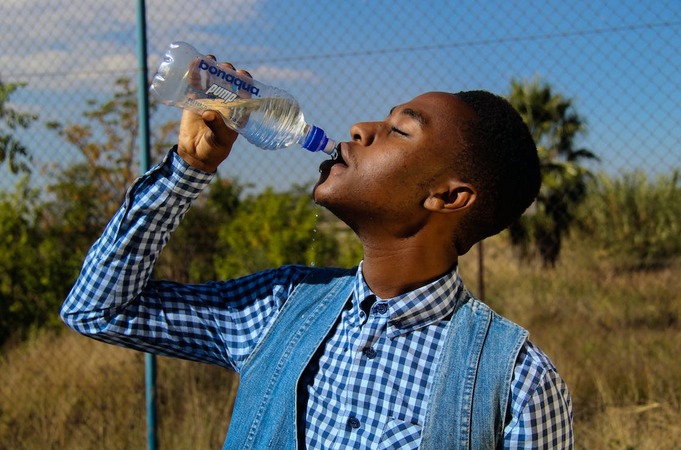 It’s important to stay hydrated before, during, and after exercise. Dehydration can lead to fatigue, muscle cramps, and other problems that can negatively impact your performance. Aim to drink eight ounces of water or sports drink about 20 minutes before exercise. Before engaging in sexual intercourse, ensure you are adequately hydrated for a better experience.
 Viagra’s main ingredient improves blood flow to the erectile tissue of the penis, which is soft and flexible. It is now easier to achieve and maintain an erection. It can also increase erection, thus improving your sexual experience and that of your partner. If you have already tried Viagra, you should consider checking some of the best male enhancement pills. Many men are now using these pills. You can easily buy Viagra online or in pharmacies.
 Sex positions can play a big role when having sex and staying longer in bed. If you finish quickly with your old sex position, you should try experimenting with other positions. There are a lot of sex positions that are known to help men stay longer in bed. One sex position is spooning.
 When shopping for anything online, it’s always advised to read the reviews of others who have bought and used a product before. Since it might be your first time buying a product, you may have no clue what to expect when you use a certain sex enhancing product.
 It is crucial always to be vigilant about the type of product you are consuming or applying to your body. Since the concept of female sex enhances is still new to many people, some products might be harmful to those who use them.